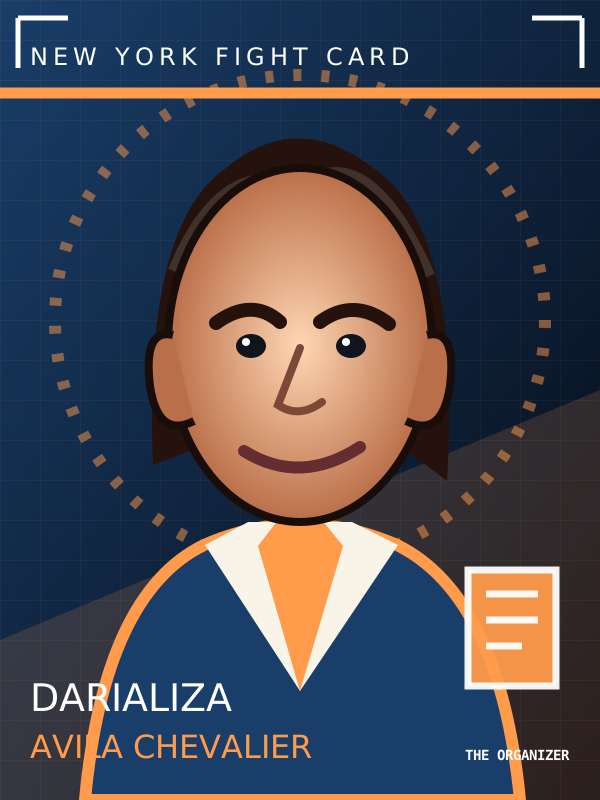
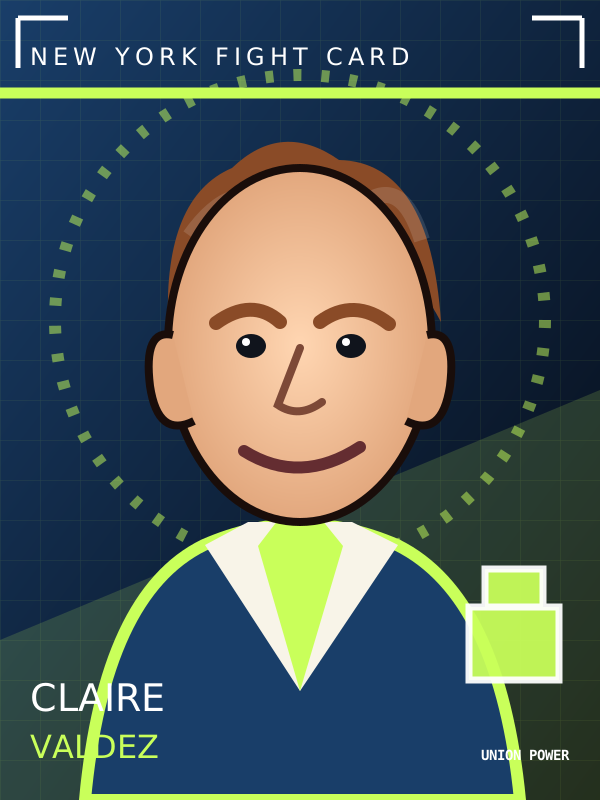
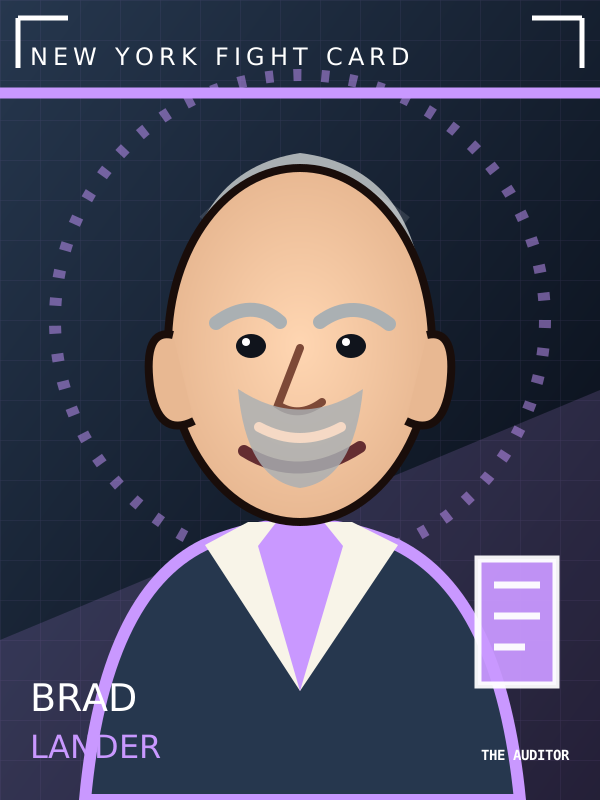
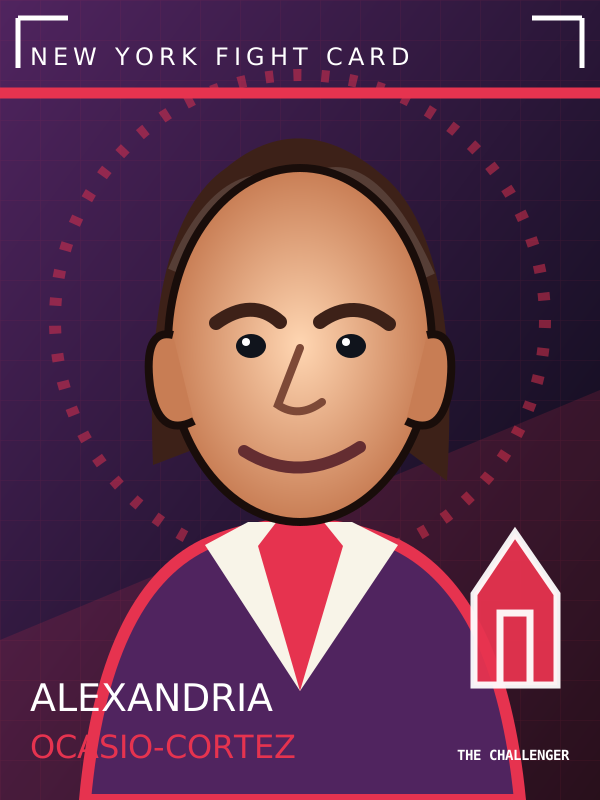
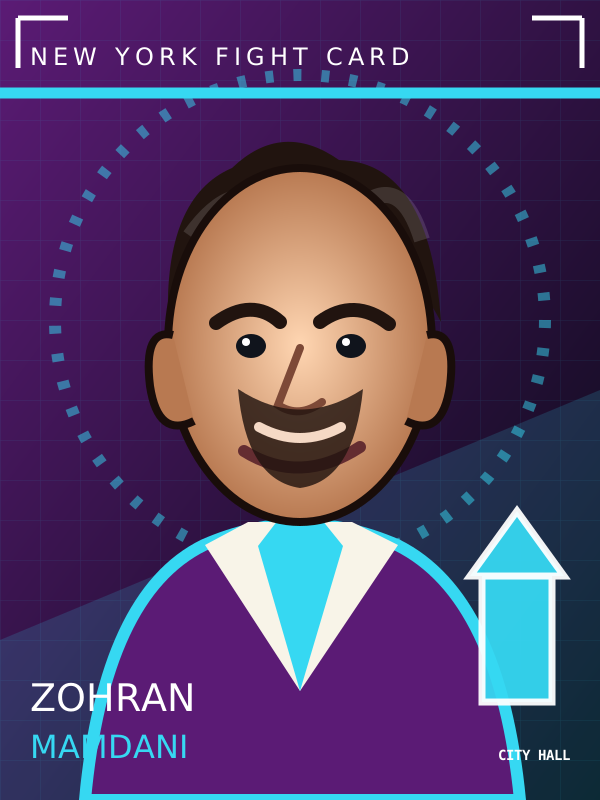
The card tracks New York’s sitting democratic-socialist mayor, three Mamdani-era 2026 congressional primary winners, and AOC. They are political opponents—not enemies: read their platforms, understand why the messages connect, and present a sharper alternative with receipts.
His affordability agenda includes fare-free buses, a rent freeze for rent-stabilized tenants, and city-supported grocery stores.
THE CIVIC COUNTER
Make the contest concrete: total cost, state approvals, delivery timelines, housing supply, service quality, and the measurable effect on small businesses and taxpayers.
Her 2026 voter-guide priorities include abolishing ICE, housing for all, and ending wars; her campaign also emphasizes public investment and worker power.
THE CIVIC COUNTER
Compete district by district on public safety, lawful immigration, housing production, affordability, and a worker agenda that small employers can sustain.
2026 NY-10 Democratic primary winner · Mamdani ally · former DSA member
ON THE RECORD
The former NYC comptroller’s congressional pitch centers on affordability, immigrant protections, and an economy he says should work for everyone.
THE CIVIC COUNTER
Press for auditable specifics: housing units, permitting time, tax burden, public-safety outcomes, and which federal powers can actually deliver each promise.
Her official agenda promotes the Green New Deal, large-scale public investment, stronger unions, and an expanded federal social safety net.
THE CIVIC COUNTER
Build a fact-first contrast on energy reliability, cost, permitting, jobs, taxes, and the pace and scope of federal intervention—without caricaturing her voters.
A real pipeline needs more than speeches. Each pillar produces a usable asset for the next round.
01
Petition power
Turn issue interest into verified names, local captains, and follow-up. Every drive gets a clear owner, geography, validation method, and next action.
Petitions → organized lists
02
Recruit the bench
Find credible neighbors: veterans, parents, tradespeople, small-business owners, civic volunteers, and policy specialists willing to lead locally.
Prospects → screened cohort
03
Teach the rulebook
Cover party rules, election calendars, ballot access, meeting procedure, campaign finance, records, and the difference between advocacy and a campaign.
Interest → lawful readiness
04
Sharpen the message
Train candidates to listen, explain tradeoffs, answer hostile questions, debate with respect, and translate principles into local outcomes.
Talking points → public trust
05
Build block teams
Assign captains, map voters, knock doors, host small meetings, collect lawful voter contact data, and turn one organizer into ten.
Volunteers → field capacity
06
Publish the score
Use a weekly dashboard for recruitment, training, voter contact, filings, spending, and retention. Celebrate gains; name misses; fix the plan.
Activity → accountability
NY
★ The mission
Assemble New York’s best fight team.
Knockout Politics is a UFC-style civic training collective: fighters, corner teams, promoters, scouts, trainers, analysts, and compliance professionals working from one shared gym. We recruit the strongest local talent, pool field-tested methods, share the best trainings across the roster, study every round, and send each New Yorker into the role where they can win trust. Every candidate, committee, contribution, and expenditure stays legally distinct wherever the rules require it.
SCOUT→TRAIN→FIGHT SMART
★ New York action center
Bring a resolution into the room.
Eight finalized stand-alone grassroots resolutions, ready for New York organizers to review with their local body. Preview the full text before using it, download the original PDF, fill every bracketed field, and follow the body’s current rules for notice, sponsorship, debate, and adoption.
Use the rulebook. These templates are political resources, not legal advice. Confirm the proper body, procedure, authority, and current law before submission.
Article 101 / 08
A Resolution to Strengthen Election Integrity and Voter Security
Voter identification, proof of citizenship, paper ballots, public audits, election-law enforcement, and verified voter-roll maintenance.
A winning gym needs more than a headliner. Read the role cards, choose the work that matches your temperament, and earn your next round through a concrete New York assignment.
01
Fighter
You can take the microphone, absorb pressure, listen in public, and ask voters for their trust.
Your laneCandidate, petition captain, committee candidate, or neighborhood spokesman.
First round: Complete screening, a public-record review, and a counsel-checked path to the ballot or party role.
02
Corner man
You stay calm between rounds, tell the truth fast, and keep one fighter focused on the plan.
Your laneCampaign manager, field lead, scheduler, volunteer captain, or trusted adviser.
First round: Choose one fighter, define decision rights, and build the weekly corner briefing.
03
Promoter
You build attention, rooms, relationships, and resources without confusing noise for momentum.
Your laneEvent host, coalition builder, fundraiser, media booker, or digital organizer.
First round: Produce one New York event or earned-media opportunity with an owner, budget, and follow-up list.
04
Trainer / analyst
You study film, spot patterns, turn evidence into drills, and make the whole gym smarter.
Your laneResearcher, policy lead, debate coach, data analyst, or curriculum trainer.
First round: Bring one sourced district brief and teach one repeatable drill to the collective.
05
Cutman / compliance
You protect the campaign under pressure, catch small problems early, and refuse sloppy shortcuts.
Your laneTreasurer, counsel liaison, records lead, data steward, or filing-calendar owner.
First round: Set the current calendar, entity checklist, approval chain, and document-retention system.
06
Scout
You know the block, recognize overlooked talent, and listen before making a pitch.
Your laneRecruiter, community liaison, candidate spotter, or local intelligence lead.
First round: Map one New York district, interview five local leaders, and nominate two people for camp.
★ Metrics & accountability
No vanity points. Publish the work.
A dashboard should separate outputs (calls, doors, signatures, classes) from outcomes (qualified candidates, filled seats, vote share, retention). Numbers are reviewed weekly; finances and compliance are reconciled monthly.
County-by-county funnel Deadline tracker Training completion Disclosure status
PROGRAM SCOREBOARDWEEKLY RESET
100%filing deadlines owned
One accountable person, one backup, one checklist.
2×signature safety goal
A planning buffer—not a substitute for legal validation.
7-daydashboard cadence
Contacts, recruits, spend, training, and compliance.
30/90retention checks
Graduate follow-up at 30 and 90 days.
OWNERnamedPROOFlinkedSTATUSpublic
★ Keep it clean
Rules are part of the training.
This page is a strategy concept, not legal advice. New York ballot access is technical; office, party, district, year, and committee structure change the rules. Federal and state campaign-finance law can require separate entities, bank accounts, disclaimers, contribution controls, reporting, and limits on coordination. Petition validity, voter data, employment activity, nonprofit involvement, and in-kind support also need review.
Before spending, coordinating, circulating, filing, or sharing lists: identify the responsible entity, consult qualified New York election counsel, and use the current official calendar and forms.
PRE-FLIGHT
Correct entity
Current calendar
Counsel review
Treasurer sign-off
Privacy controls
★ Source desk
Open the tabs. Check the claims.
Opponent summaries above point to first-party or official sources. Start here for candidate status, ballot access, calendars, and compliance—then confirm the facts again before publication or filing.
 NEW YORK